Removals for Avenue Road flats Swiss Cottage what to expect

If you are planning removals for Avenue Road flats in Swiss Cottage, the big question is usually not whether the move can be done - it is what day one will actually feel like. Will the van fit? Will the lift be busy? How much carrying will be involved? And, to be fair, will your sofa survive the stairwell? This guide walks you through what to expect, from the first planning call to the last box being set down in your new place.
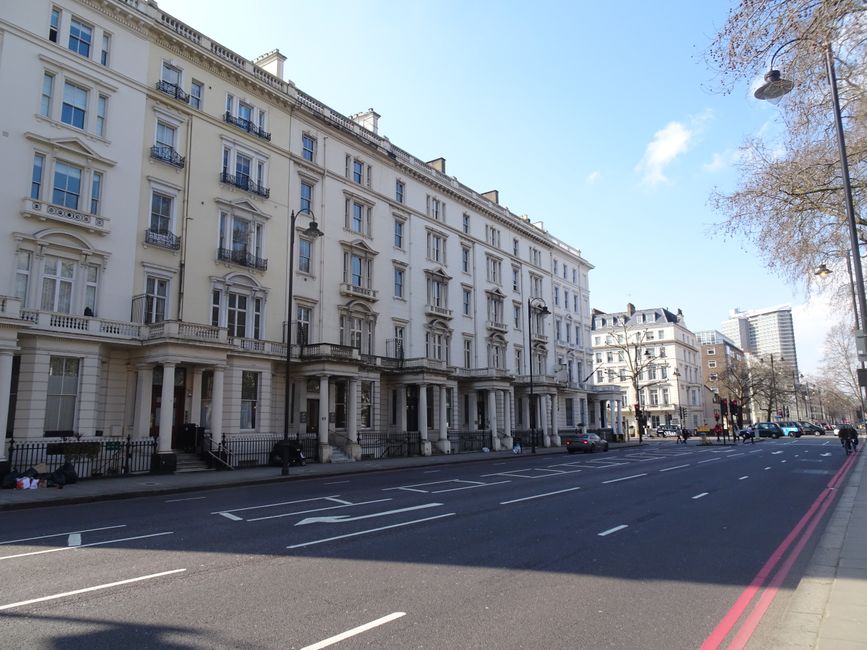
Avenue Road sits in an area where flat moves can be straightforward on paper but a bit fiddly in real life. Older mansion blocks, shared entrances, resident parking rules, narrow approaches, and lift bookings can all shape the move. The good news is that with the right preparation, the process becomes far more predictable. You will know what happens, what to ask, and where the usual pinch points are.
Below, you will find a practical breakdown of the moving process, common issues in Swiss Cottage flat removals, helpful checklists, and a realistic picture of how professional movers usually handle the day. No fluff. Just the things that matter.
Why Removals for Avenue Road flats Swiss Cottage what to expect Matters
Flat moves are rarely just about boxes and a van. In a place like Avenue Road, the building itself often becomes part of the job. If you are moving from a purpose-built block, a period conversion, or a higher-floor apartment, the route from front door to vehicle can matter as much as the volume of belongings.
That is why understanding what to expect matters so much. You are not just paying for transport; you are paying for coordination, care, timing, and problem-solving. A good move avoids last-minute stress. A poor one turns into a string of awkward decisions, like waiting for a lift while neighbours come and go, or discovering the parking space is half a street away.
Swiss Cottage has its own rhythm. Traffic can build quickly, loading space can be limited, and apartment blocks often have building rules that need to be respected. The move itself may still be relatively short-distance, but short-distance does not mean simple. In fact, that is where people get caught out. They assume the local move will be easy and skip the planning. That is usually where the wobble begins.
There is also the question of timing. If you are moving during a busy period, or on a day when multiple residents are using the same access points, the moving team needs a clear plan. One small delay can cascade into a much longer day. So yes, expectations matter. They help you avoid unrealistic assumptions and make better decisions before the first box is lifted.
Expert summary: The smoother flat removals tend to be the ones where access, parking, lift use, packing quality, and building rules are confirmed early. The move itself is only one part of the job.
How Removals for Avenue Road flats Swiss Cottage what to expect Works
Most apartment removals follow a similar pattern, but the details are what separate a calm move from a chaotic one. A professional flat removal usually starts with an assessment: how much needs moving, what floor you are on, whether there is a lift, how wide stairways are, and whether any large furniture will need special handling.
From there, the movers will typically plan the vehicle size, packing support, protection materials, crew numbers, and the schedule. For a flat in Avenue Road, the practical questions matter just as much as the inventory. Can the van stop close enough? Is there a loading bay? Will building management require prior notice? These are not minor details. They shape the whole day.
On the moving day itself, expect a sequence something like this:
- Arrival and walk-through. The crew checks access, confirms what is moving, and reviews any fragile or awkward items.
- Protection setup. Floors, bannisters, and door frames may be protected to reduce scuffs and damage.
- Loading strategy. Boxes and furniture are moved in a sensible order, usually with fragile items separated and larger pieces handled carefully.
- Transport. The vehicle travels to the new address, often with the team monitoring timing and parking access along the way.
- Unloading and placement. Items are taken to the correct rooms where possible, which saves you from shifting heavy boxes later.
That sounds neat and tidy on paper. Real life is a little less polished, naturally. Someone may still be finishing a box of kitchen bits at the last minute. The lift might need a key. A neighbour may park in the loading area. None of this means the move is failing; it just means the team has to adapt quickly and sensibly.
If you are comparing moving services, it helps to look beyond headline promises. Ask how they handle stair-only access, shared entrances, long carries, and awkward furniture. Those are the things that tell you whether a crew genuinely understands flat removals in this part of London. For broader planning across the moving process, you may also find it useful to review Man and Van Services as a comparison point for smaller, more flexible moves.
Key Benefits and Practical Advantages
There are several reasons people choose a professional removals service for Avenue Road flats instead of trying to manage the whole move themselves. Some are obvious. Some only become obvious after you have tried lifting a wardrobe down three flights of stairs and realised, halfway down, that the turning is tighter than expected.
1. Less physical strain. Flats often involve stairs, narrow landings, and repeated trips. A trained crew reduces the heavy lifting on your side, which is especially helpful if you are moving alone, with children, or on a tight schedule.
2. Better handling of awkward access. Avenue Road properties may include lift restrictions, entry codes, or shared corridors. Experienced movers know how to work around those constraints without turning the hallway into a bottleneck.
3. Faster turnaround. A skilled team packs the van in a way that saves space and time. That usually means fewer trips, fewer delays, and less waiting around in the cold with a kettle and a phone charger in your hand.
4. Lower risk of damage. Professional moving is not just about speed. It is about protecting furniture, walls, floors, and doorframes. The cost of one damaged sideboard or scratched floor can be much higher than the value of doing it carefully in the first place.
5. Better coordination on a busy street. In Swiss Cottage, parking and access need thought. A mover who plans for traffic, loading, and building rules is not being overly cautious; they are being realistic.
There is also a quieter benefit: peace of mind. You stop trying to solve everything at once. You know who is doing what, when, and where. That alone can make the day feel ten times more manageable.
Who This Is For and When It Makes Sense
This kind of move is a good fit for a range of people, not just large households. In fact, many flat removals in Swiss Cottage are for one- or two-bedroom apartments where access, timing, and care matter more than raw volume.
You may benefit from this service if you are:
- moving from a flat on Avenue Road with stairs, a lift, or shared access
- relocating within Swiss Cottage or nearby North West London
- carrying larger furniture such as beds, wardrobes, sofas, or appliances
- moving with limited time and need the process handled efficiently
- concerned about protecting hallways, floors, and fragile items
- trying to coordinate with a landlord, building manager, or concierge
It also makes sense if you are trying to reduce disruption. Let's face it, moving day already has enough moving parts. If you can remove one or two of the most stressful tasks - like loading the van, carrying awkward items, or planning the sequence of boxes - the whole process becomes much more workable.
That said, not every move needs a full-service crew. If you have only a few items and excellent access, a lighter service may be enough. If you are unsure, compare the practical workload rather than just the headline price. Cheap can be expensive later if the job is not suited to the property.
Step-by-Step Guidance
Here is a sensible way to approach removals for Avenue Road flats in Swiss Cottage without overcomplicating it.
1) Confirm the building details early
Start with the basics: floor level, lift availability, stair width, parking restrictions, and any rules about move times. If your building has a concierge or management office, check whether advance notice is required. One short email now can save a lot of awkwardness later.
2) Make an honest inventory
Write down what is actually moving. Include large furniture, boxes, valuables, plants, bikes, mirrors, and anything fragile or unusually heavy. The more honest the list, the more accurate the planning. People often forget loft items, hallway storage, or the box of cables nobody has touched since 2019.
3) Decide what needs special treatment
Some items need extra care: TVs, glass tables, artwork, instruments, antiques, or marble-topped furniture. If something is sentimental, expensive, or simply awkward to lift, mention it clearly. Movers can only plan for the things they know about.
4) Pack with access in mind
Keep everyday essentials in a separate bag and label boxes by room. That may sound obvious, but it makes a huge difference when you arrive tired and slightly disoriented. Your future self will thank you when the kettle, phone charger, and bedding are easy to find.
5) Reserve the route from flat to van
If possible, make sure the route outside the building is clear. Think about where the van will stop, how the team will carry items, and whether any doors need to be propped open temporarily. A smooth route can shave a surprising amount of time off the move.
6) Keep a simple load order
It helps to know what should go on the van first and what should be loaded last. Often, items needed first at the new property - such as bedding, basic kitchenware, and cleaning supplies - are best kept accessible. Nothing glamorous here. Just sensible.
7) Do a final sweep before leaving
Check cupboards, behind doors, in the bathroom cabinet, and under beds. It is amazing how often chargers, keys, paperwork, and one lonely shoe get left behind. One last walk-through saves a callback and a headache.
Expert Tips for Better Results
Small decisions make a big difference on flat moves. A few practical habits can keep things calm, even if the day gets a bit busy.
- Label by room and priority. "Kitchen - first open" is much more helpful than "misc."
- Disassemble only what is sensible. Beds and some tables are worth taking apart; overdoing it can create extra work.
- Protect the corners that get knocked. Hallway walls, doorframes, and stair edges are common trouble spots.
- Keep drinks and essentials separate. You do not want to be hunting for tea bags in a box marked "books."
- Tell the movers about time restrictions. If there is a window for lift access or parking, they need to know early.
- Photograph valuable items before moving. Not because you expect trouble, but because it is a sensible record to have.
One thing professionals often notice: people focus on packing boxes and forget about the building itself. In flats, the building is part of the move. The stairs, the lift, the entrance, the parking, the neighbours, the timing. All of it. If you pay attention there, the rest tends to settle down.
Another small tip: if you have bulky furniture that barely fits through a doorway, measure it properly before moving day. Not roughly. Properly. A few centimetres can be the difference between a clean carry and a sweaty, slightly awkward pivot that everyone remembers for the wrong reason.
Common Mistakes to Avoid
Most move-day problems are predictable. That is the slightly annoying part. They happen again and again because someone assumed the move would be simpler than it really was.
- Underestimating access issues. A flat may look easy to move from until you meet the staircase, the corner, or the lift booking rule.
- Leaving packing too late. Last-minute packing nearly always leads to mixed boxes, lost items, and unnecessary stress.
- Not checking parking. If the van cannot stop close enough, everything takes longer. Simple as that.
- Forgetting building rules. Some blocks need booking times, protective coverings, or advance notices.
- Hiding important details. A piano, a heavy desk, or a narrow access route should never be a surprise on the day.
- Assuming all services are the same. They are not. Flat removals vary a lot in skill, planning, and equipment.
One of the more common mistakes is treating a flat move like a generic house move. It is not the same thing. Flats tend to have shared spaces, less room for manoeuvre, and more pressure on timing. Once you accept that, your planning improves almost immediately.
And yes, sometimes people still forget the freezer contents. It happens. More often than anyone likes to admit.
Tools, Resources and Recommendations
You do not need a complicated toolkit for a move, but a few practical items can make the process much smoother. Think simple, sturdy, and easy to reach.
Helpful packing and moving items:
- strong boxes in a few different sizes
- packing tape and a tape dispenser
- marker pens for clear labelling
- bubble wrap or paper for fragile items
- blankets or furniture covers
- ratchet straps or rope for securing larger items
- basic tools for dismantling furniture
- zip bags for screws, fixings, and small parts
Useful planning resources inside your own move:
- a room-by-room inventory
- a floor plan of the new flat, even a rough one
- contact details for building management or concierge staff
- timing notes for lift use, access, and parking
- a clearly marked essentials bag for day one
If you are considering a flexible moving setup, it can also help to compare service styles. For example, a smaller-scale move may suit a lighter approach, while a larger flat with several heavy items may justify more hands and fuller protection planning. In some situations, looking at a local removals team can help you decide whether you need simple transport or a more structured service.
The recommendation, honestly, is to choose the level of help that matches the actual complexity of your flat - not the one that sounds cheapest on first glance.
Law, Compliance, Standards, or Best Practice
Flat removals in London are not usually about dramatic legal issues, but there are still practical standards and responsibilities worth respecting. That includes the building's rules, safe lifting practices, and the way vehicles are used on residential streets.
Best practice often includes:
- checking whether the building needs move-in or move-out notice
- confirming any lift booking or protection requirements
- ensuring access routes are kept as clear as possible
- handling items safely to reduce injury and damage risk
- being considerate of neighbours in shared hallways and entrances
If a mover is working in a block with controlled access or resident parking, they should plan to follow those arrangements rather than work around them. That is not just polite; it prevents disruption and potential fines or complaints. You do not want a smooth move ruined by an avoidable dispute about where the van stopped.
There is also the basic duty of care around fragile and valuable items. While every removal job is different, professional movers are expected to act sensibly, use appropriate equipment, and handle belongings with care. If anything feels unclear, ask direct questions before moving day. Clear expectations are much easier than guesswork after the fact.
Options, Methods, or Comparison Table
Not every Avenue Road flat move needs the same approach. Here is a practical comparison to help you think through the options.
| Option | Best for | Strengths | Possible drawbacks |
|---|---|---|---|
| Small van move | Few items, easy access, short distance | Flexible, often efficient, good for light loads | May need more trips if there is more to move than expected |
| Full removal crew | Multiple rooms, heavy furniture, limited access | More support, better handling, less strain on you | Usually more expensive than a basic van-only option |
| Packing plus removals | Busy households, tight deadlines, fragile contents | Best for reducing stress and saving time | Requires more planning and a higher level of coordination |
| Self-pack with movers | People who want to control packing but need transport help | Good balance of cost control and practical support | Still requires careful packing on your side |
The right choice depends on your flat, your timing, and how much heavy lifting you want to do yourself. If you are on a higher floor with limited lift access, for example, a fuller service often makes more sense than trying to do half the job and hoping for the best.
Case Study or Real-World Example
Here is a realistic example. A couple moving from a second-floor flat near Avenue Road had a mix of boxed household items, a double bed, a large sofa, and a glass dining table. The building had a lift, but it was small and required careful scheduling. There was also limited roadside space outside, which meant the van needed a proper loading plan.
What made the move work well was not anything flashy. It was preparation. The couple had labelled boxes by room, kept a separate bag for essentials, and warned the movers about the glass table and awkward hallway turn. The movers planned the loading order, protected the building surfaces, and kept the van timing tight enough that the street parking problem never became a crisis.
The one thing that nearly slowed everything down? A bedside table still full of small items. Very human. Very normal. It was sorted in a few minutes, but it is a good reminder that one overlooked drawer can turn into a tiny delay. Not a disaster. Just a reminder that moving is never entirely tidy.
The move finished more smoothly than the couple expected because everyone had a shared understanding of the access issues before the day started. That, really, is the difference.
Practical Checklist
Use this checklist in the week before your move. It keeps things concrete and stops the small tasks from drifting away.
- Confirm the moving date and time
- Check lift access, booking rules, and building notices
- Confirm parking or loading arrangements for the van
- Finish a room-by-room inventory
- Label fragile boxes clearly
- Separate essentials for the first night
- Measure bulky furniture and doorways if needed
- Disassemble selected furniture in advance if appropriate
- Protect valuables and important documents
- Keep a phone charged for move-day coordination
- Check cupboards, drawers, and storage spaces before leaving
If you only do three things from this list, make them access, labelling, and essentials. Those three alone can save a surprising amount of stress.
Get a free quote today and see how much you can save.
Conclusion
Removals for Avenue Road flats in Swiss Cottage are manageable when you understand the real shape of the job. The move is not just about carrying items from one address to another. It is about access, timing, coordination, and making sure the building works with you rather than against you.
If you plan ahead, ask direct questions, and choose the right level of help, the day becomes far calmer. The boxes still need lifting, of course. But the anxiety drops away. You can breathe, keep moving, and trust the process a bit more. That is usually what people want most anyway: a move that feels under control.
And once the last box is in, the kettle is on, and the flat starts to feel like yours, all that preparation suddenly makes perfect sense.
Frequently Asked Questions
What should I expect from removals for an Avenue Road flat in Swiss Cottage?
You should expect planning around access, parking, stairs or lifts, and careful handling of furniture and boxes. In flat moves, the building logistics matter almost as much as the transport itself.
How far in advance should I book a flat removal?
As early as you reasonably can, especially if you need a specific date, a lift booking, or building approval. Earlier booking gives you more room to confirm details and avoid awkward last-minute changes.
Do movers need to visit the flat before moving day?
Not always, but a pre-move assessment can help with larger or more complex jobs. If the access is tight or the furniture is bulky, a walkthrough or detailed inventory is often worthwhile.
Will movers take furniture down stairs in a flat building?
Yes, if the service includes it and the access is safe. Movers usually assess stair width, turning space, and the weight of the item before deciding how to move it.
What should I do about parking for the removal van?
Check the local parking situation and building rules early. If the van cannot get close enough, the move can take longer and become more stressful than it needs to be.
How do I prepare fragile items for a flat move?
Use good-quality packing materials, label the boxes clearly, and keep fragile items separate from heavier household goods. If something is especially valuable or delicate, tell the movers before the day begins.
Is packing included in removals for flats?
It depends on the service you choose. Some people only want transport, while others prefer help with packing, dismantling, and reassembly. The right option depends on your time and how much work you want to do yourself.
What if my building has a small lift?
That is very common in London flats. A small lift simply means the movers may need to plan item size, loading order, and timing more carefully. Large pieces may still need to be taken by stairs.
How can I make the moving day less stressful?
Label boxes well, keep essentials separate, confirm access details early, and avoid leaving packing until the night before. A little preparation goes a very long way. Honestly, that is half the battle.
Are flat removals different from house removals?
Yes. Flat removals often involve shared entrances, lift rules, parking limits, and tighter carrying spaces. Houses can be easier in some ways, but flats bring their own set of practical challenges.
What items are most likely to cause delays?
Large wardrobes, heavy mirrors, glass tables, pianos, awkward sofas, and anything that needs to fit through a narrow turning point. If you have one of those, mention it early so the team can plan properly.
What should I keep with me on moving day?
Keep important documents, keys, phone chargers, medication, valuables, and an essentials bag close at hand. You will also want snacks, water, and maybe a mug for tea once the first wave of chaos settles.